You might have encountered various self-help systems, but Human Design stands apart as a unique blend of ancient wisdom and modern understanding, providing profound insights into the self.
If you’re intrigued by this methodology and considering becoming a Human Design specialist, you’re not alone. Many are drawn to this powerful tool for self-awareness and personal growth, aiming to help themselves and others discover their authentic paths.
In this text, we’ll explore what it means to master Human Design and how you can apply it effectively in various aspects of your life, whether in personal relationships, professional settings, or as a reader yourself.
Key Takeaways
- Becoming a Human Design specialist involves mastering its five main types—Generators, Manifesting Generators, Projectors, Manifestors, and Reflectors—to understand yourself and others.
- Engage in continuous learning through studying key elements of Human Design, participating in certification programs, and joining supportive communities.
- Recognize the divide among Human Design teachers. Choose between traditionalists focusing on foundational teachings or modern innovators who blend contemporary practices.
- Apply your knowledge of Human Design in personal relationships to enhance empathy and communication, ultimately reducing conflicts with partners and family.
- In the workplace, understanding colleagues’ energy types can lead to better teamwork, task delegation, and a more harmonious environment.
Human Design Mastery
Embarking on the journey of becoming a Human Design specialist is not just about learning a set of principles. It’s about internalizing a comprehensive framework.
The essence of Human Design lies in its ability to offer a roadmap for understanding your true nature, as well as the natures of others around you. This mastery includes understanding the five main types—Generators, Manifesting Generators, Projectors, Manifestors, and Reflectors—and their strategies, authority, and profiles.
To master Human Design, you need to engage in continuous learning. This might include:
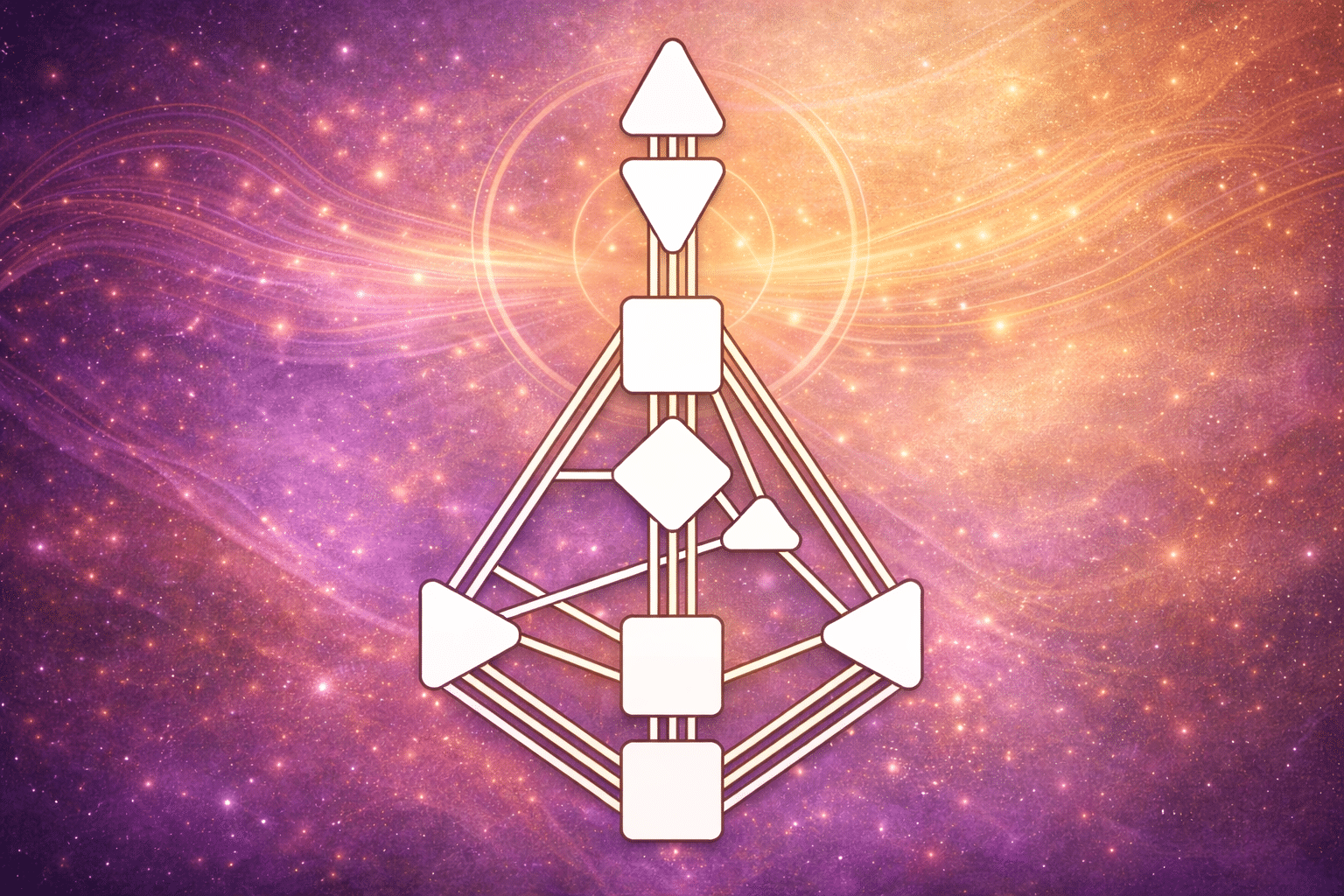
- Studying the Key Elements: Familiarize yourself with charts, centers, gates, and channels. Each of these components reveals intricate details about personality, behavior, and life purpose.
- Practical Applications: Start applying these principles in your own life, making observations and adjustments based on what you learn about yourself.
- Certification Programs: Consider enrolling in reputable Human Design training courses that offer certification. Such programs often combine theoretical knowledge with practical exercises to deepen your understanding.
- Community Engagement: Join forums, attend workshops, and connect with experienced teachers. Being part of a community supports your journey and offers a network for sharing insights and experiences.
As you dive deeper into Human Design, you’ll begin to see how it informs your choices and interactions with those around you. Eventually, mastery means being able to interpret and communicate the nuances of this system to guide others on their journeys.
Human Design Teachers
While the field of Human Design is growing, it’s essential to recognize there is a divide among Human Design teachers. Some practitioners focus strictly on the theoretical aspects, while others take a more experiential, intuitive approach.
Traditionalists
These teachers often emphasize strict interpretation of Human Design, adhering closely to foundational teachings and guidelines set forth by the system’s founder, Ra Uru Hu.
This method can be beneficial for those who need a structured understanding before applying the principles personally or professionally.
Modern Innovators
Some teachers incorporate modern psychological concepts and personal coaching techniques into their practice. They tend to adapt Human Design principles to resonate with contemporary audiences, making the knowledge more accessible and relatable.
Understanding this divide can help you choose the right path in your training. If you prefer a structured approach, look for traditional teachers who can provide a solid foundation. Alternatively, if you seek creativity and fluidity in your learning, you might prefer teachers who blend Human Design with modern practices.
Whichever path you choose, ensure that it aligns with your learning style and goals.
How to Use What You Have Learned
Understanding how to apply what you learn in Human Design can significantly impact your relationships and work life. Here’s how you can incorporate these insights into various aspects of your life.
At Home With Your Partner
Human Design can transform the dynamics in your home. By understanding your own design and that of your partner, you can develop more empathy and patience.
For instance, if you realize your partner is a Reflector, you might appreciate their need for ample time to process decisions. This awareness fosters healthier communication and decreases potential conflicts, allowing both partners to feel validated and understood.
At Work With Your Colleagues
Human Design can also enhance teamwork and collaboration. In the workplace, knowing the energy types of your colleagues can inform how you approach projects.
Generators and Manifesting Generators might thrive in roles that require consistent energy and momentum, while Projectors can shine as guides and managers. Using this knowledge can lead to better task delegation and improved morale, creating a harmonious workplace environment where everyone feels valued for their unique contributions.
If You’re a Human Design Reader
As a reader, your role shifts to guiding others on their Human Design journey. You’ll need to develop the ability to interpret charts holistically, understanding how different aspects connect.
This role involves not just sharing information, but also empowering clients with actions they can take based on their designs, further solidifying your position as a knowledgeable and trusted advisor.
If You’re Just Trying to Figure Out Where You Belong
For those exploring their identity and purpose, Human Design provides profound insights. By analyzing your chart, you can start to understand your natural inclinations and how best to navigate your path.
This process can uncover aspects of your life that you may have overlooked, leading you to make informed choices about relationships, careers, and personal growth.